How do industrial and manufacturing apps win over a plant?
Manufacturing apps rarely start with an operator downloading something on a personal phone. They start with a quality engineer or continuous improvement lead running a pilot on one line. This page uses the fictional LineSide QA to show how that pilot becomes a plant contract.
How does an industrial app get adopted in a plant?
Line by line. A quality technician or continuous improvement lead tries LineSide QA on one line, operators log a non-conformance with a photo at the station instead of on a clipboard, and QA sees it before the next part runs. When the plant manager sees that line's defect data in one place, the second line asks for it.
The plant manager or CI lead pays. Operators, QA techs and maintenance decide whether the data is any good. Your marketing has to reach the person who runs the pilot and give them material to convince the person who signs.
Who uses it on the floor, and what does it replace?
Three groups touch the app daily. Operators need to report a problem in ten seconds, with gloves on, in noise. QA technicians need a non-conformance report they can contain, investigate and close. Maintenance needs downtime reasons that are more precise than "other".
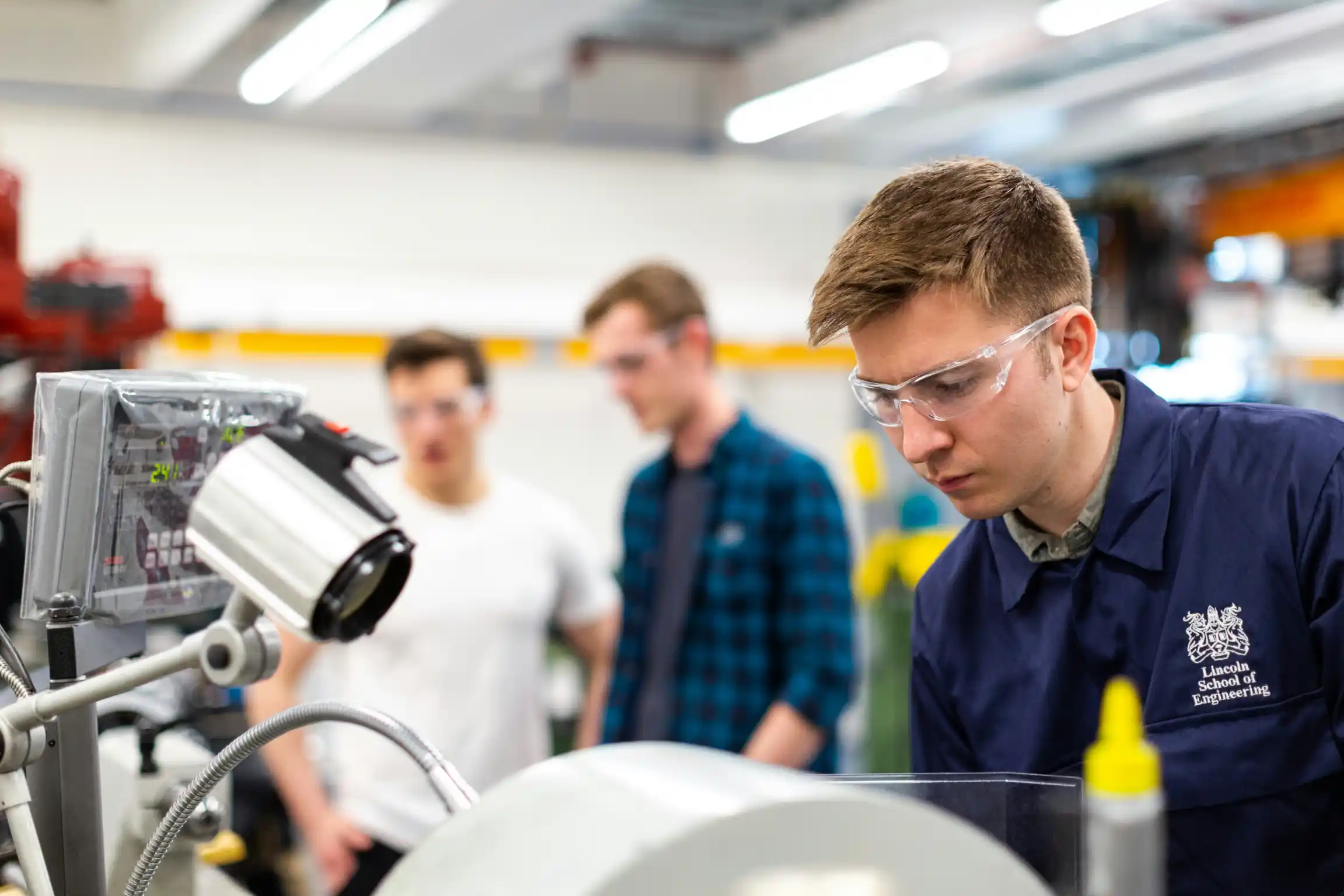
What they use today is a clipboard at the station, a spreadsheet log that QA rebuilds at the end of the shift, and whatever the MES does not capture: free-text descriptions, photos of the defect, quick shift-handover notes. That gap, not the MES itself, is where an app earns its place.
| Role | Needs from the app | What kills adoption |
|---|---|---|
| Operator | Scan, tap a defect code, snap a photo | Typing, logins per shift, small buttons |
| QA technician | NCR with containment and an owner | Reports with no part number or photo |
| Maintenance | Downtime reason by machine | Codes that do not match their equipment |
| CI lead | Pareto by line, shift and defect | Exporting to a spreadsheet to analyse |
| Plant manager | Scrap and customer complaints trending down | Another dashboard nobody opens |
Which channels reach plants: pilots, integrators or trade shows?
All three, in that order of weight. A structured pilot is the channel that closes deals; integrators and trade shows bring you the plants to pilot in. App-store discovery plays a smaller role, mostly as the place a QA engineer installs the app on a station tablet after a demo.
- Package the pilot. One line, 60 days, a fixed fee credited against the plant contract, two named owners (QA and production) and three agreed measures.
- Recruit integrators. The firms that install automation and MES already walk the floor. Give them an API, a referral margin and a demo kit so the app becomes part of their proposal.
- Use trade shows for conversations, not leads. Bring a working station with a scanner and a rugged tablet. Book pilot calls at the booth.
- Publish shop-floor content. Write about NCR forms, containment, 8D steps and shift handover, the topics a CI lead searches. The pilots and rollout guide has a fuller pilot template.
Log non-conformances at the line with photos, part numbers and shift details.
What is the first useful result on the line?
A non-conformance logged with a photo at the station, linked to part, line and shift, and routed to QA. If an operator must find a PC to do that, the pilot is already in trouble. Shared devices should open in station mode with a badge scan rather than a personal login.
Station 4 · Line B
Defect
NCR-0388 created
Agree the exit criteria before the pilot starts.
Write down with the plant manager what a successful pilot of 30 to 60 days looks like, such as defect-to-log time or reports with photos. Without that, a pilot drifts into free software.
How should industrial apps price and roll out?
Per-user pricing fights the plant floor, where three shifts share one tablet. Price per line or per station, with a plant tier that includes integration. For seat-based thinking elsewhere, see team and company pricing.
- Up to 4 stations
- Setup on site
- Pilot report
- Unlimited operators
- NCR workflow
- Pareto reports
- MES and ERP connectors
- SSO and device management
- Multi-plant reporting
The LineSide figures are invented for this guide. Anchor the plant tier to the scrap and rework cost of one line, which the plant controller can usually estimate in an afternoon.
Which mistakes stall industrial rollouts, and what should you track?
- Selling "Industry 4.0". Plant managers buy fewer escapes and less scrap. Name the defect, not the trend.
- Requiring integration before value. Run the pilot standalone; connect to MES once the data has earned trust.
- Unclear pilot ownership. If nobody in production owns it, operators stop using it by week three.
- Ignoring the night shift. Train every shift on the first day, not only the one that hosts your visit.
| Metric | Question it answers | Where to find it |
|---|---|---|
| Defects logged per shift per line | Is the clipboard gone? | Station events |
| Minutes from defect to NCR | Does QA hear sooner? | NCR timestamps |
| Share of NCRs with photo and part number | Is the data usable? | Record completeness |
| Containment closed within the shift | Are bad parts stopped? | NCR workflow |
| Active stations per shift | Are all shifts using it? | Device sessions |
| Lines live after the pilot | Is the plant expanding? | Account plan |
Next, read enterprise sales for multi-plant deals and managed distribution for putting the app on station devices.
Frequently asked questions
Who buys a manufacturing quality app?
The plant manager or continuous improvement lead usually owns the budget. Quality engineers often run the pilot and make the case internally.
Should a shop-floor app replace the MES?
Rarely. Most plants keep their MES. A mobile app adds the capture of defects, photos and notes that production systems handle poorly, and sends that data back.
How long should a plant pilot run?
Long enough to cover all shifts and a normal production mix. ShoutEx view: 30 to 60 days; agree the length and exit criteria in writing first.
Why price per line instead of per user?
Stations and tablets are shared across shifts. Per-user pricing punishes the plants that use the app most widely.
Do trade shows work for industrial apps?
They work for starting conversations and booking pilots when you bring a working station. They rarely close deals by themselves.
What role do integrators play?
Integrators already install automation and production systems in plants. With an API and a referral margin, they can include your app in their projects.
What is the first value moment?
A non-conformance logged at the line with a photo, part number and shift, routed to QA within a minute.