How do you get more Google reviews without breaking the rules?
Reviews are the most visible part of prominence: Google says more reviews and positive ratings can help local ranking, and people read them before they call. The method is simple and the rules are strict. This page covers both.
How do you get more Google reviews?
Ask every customer after the job is done, send a direct review link or show a QR code, make the request short and personal, and follow up once. Do not offer anything in return and do not filter who you ask.
Google's help page on getting reviews recommends sharing a review link or QR code and says incentives to post, change or remove reviews are prohibited. Most businesses that struggle with reviews simply never ask, or ask in a way that takes the customer five steps.
When is the best time to ask for a review?
Ask when the customer has just felt the benefit: the furnace is running, the cake has been collected, the car is back on the road. For services delivered over weeks, ask at a natural milestone, not on day one.
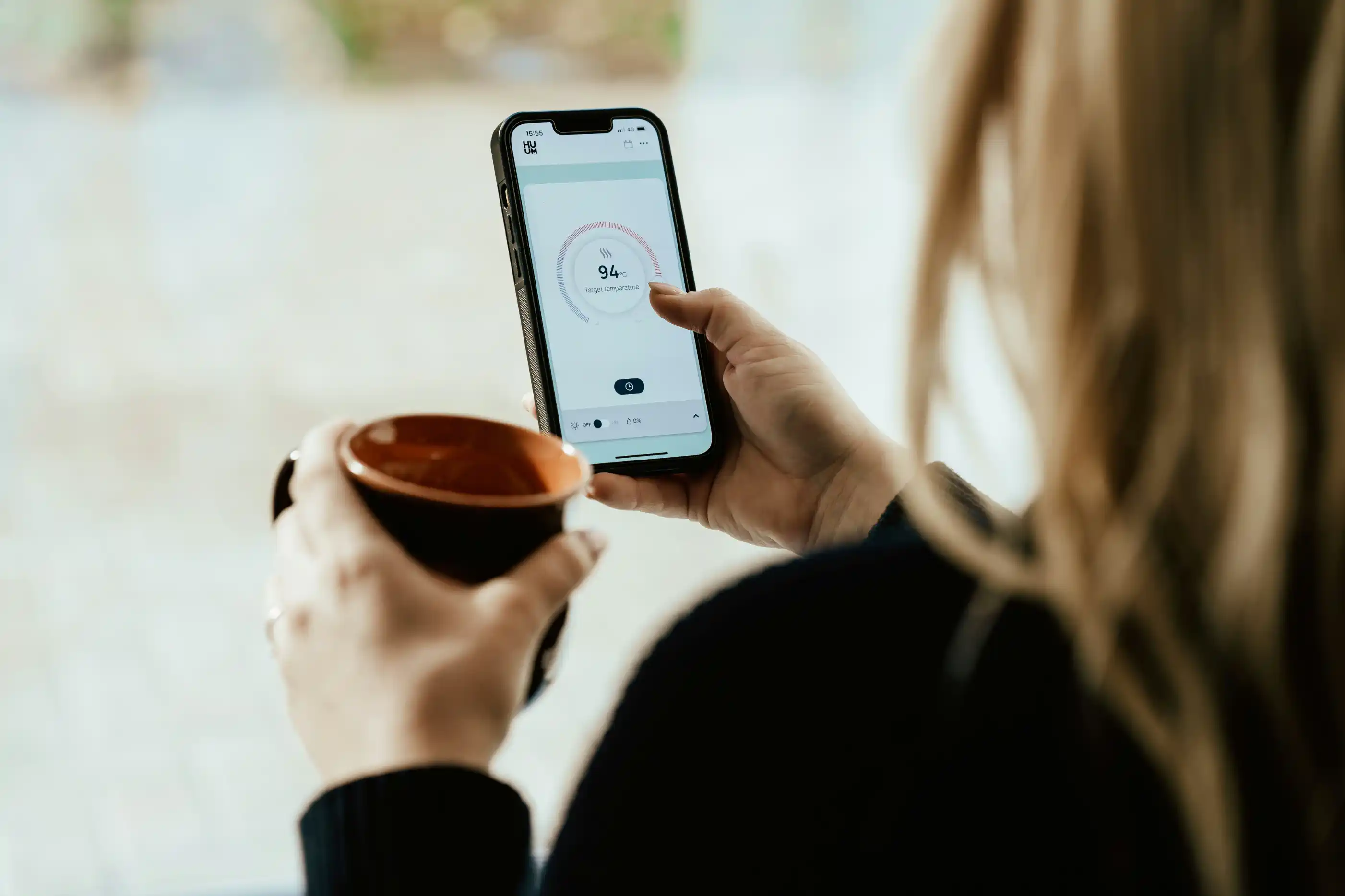
Match the channel to the moment. In person at the counter, a QR code on a card or the receipt works. After a home visit, a text message with the link that evening works. For appointments, an email the next morning works. Whatever the channel, the request goes to every customer.
| Business | Moment | Channel |
|---|---|---|
| Café or bakery | Order handed over | QR code on the counter card |
| Home services | Job signed off | Text with link, same evening |
| Clinic or salon | Day after the visit | Email or text with link |
| Car repair | Vehicle collected | Text with link |
| Professional services | File closed or milestone reached | Personal email |
How should you ask for a review?
- Get your review link. Google lets you share a review link or a QR code from your Business Profile. Copy the link once and reuse it everywhere.
- Write two sentences. Thank them for something specific, then ask. No script about stars.
- Send one follow-up. A single reminder three or four days later is enough. More feels like pressure.
- Make it routine. Put the request in your booking, invoicing or job software so it goes out without anyone remembering.
- Reply to what comes in. See responding to reviews.
Keep the wording plain and personal. Name the job or the product, use the customer's first name where you know it, and sign off with a real person's name. Avoid asking for a particular star rating, mentioning keywords you want in the review, or writing a sample review for them; all three push the customer toward words that are not theirs.
What does a good review request look like?
Here are review requests from fictional businesses, with a verdict on each.
| Request | Verdict | Why |
|---|---|---|
| "Thanks for having us out to fix the sump pump today, Priya. If you have a minute, a Google review helps other Barrie homeowners find us: g.page/r/example" | Good | Specific, short, one link, no pressure on rating |
| "Leave us a 5-star review and get 10% off your next service!" | Not allowed | Incentive and a requested rating |
| "How did we do? Great: review us on Google. Not great: email the owner." | Not allowed | Review gating: only happy customers are sent to Google |
| "Team, please post a review for the shop this week." | Not allowed | Employee reviews are a conflict of interest |
| "Enter our draw for a $100 gift card when you review us." | Not allowed | A prize draw is still an incentive |
| "Glad the cake arrived in one piece! Scan the code on your box if you'd like to tell others about it." | Good | Asks everyone, no reward |
Build the ask into the job, not into a campaign.
A review request that goes out automatically after every completed job beats a review drive twice a year. Steady flow looks natural and keeps your recent reviews recent.
What review practices are not allowed?
Google's prohibited and restricted content policy for Maps bans fake engagement; payment, discounts or free goods in exchange for reviews; review gating, which means discouraging negative reviews or selectively asking for positive ones; and conflict-of-interest reviews, such as those from employees or contractors about their own business.
Reusing reviews on your website or in ads brings in Canadian law. The Competition Bureau's guidance on tests and testimonials says a testimonial can be published only with the person's prior written approval and must match what they actually said. In practice: ask permission in writing, quote word for word, and keep the record. Some regulated professions restrict testimonials entirely, so check your own body's rules.
What mistakes do businesses make when asking for reviews?
- Asking only regulars. It feels safe but is selective soliciting, and it limits volume.
- Batch requests after a quiet spell. Thirty reviews in a week after six silent months looks odd and does little for recency afterwards.
- Review stations in the shop. A tablet at the counter means many reviews from one device and location. Let customers use their own phones.
- Buying a review service. Paid or fake reviews are removed and can restrict the profile. See fake reviews and removal.
- Ignoring other platforms. If customers find you on Apple Maps or industry sites, a share of requests can go there too.
- Forgetting staff. The person who did the job is often the best one to ask. Give them the card or the text template and recognise the team for steady requests, not for star ratings.
How do you measure a review programme?
| Measure | Target direction | Where |
|---|---|---|
| Requests sent | Equal to completed jobs | Booking or job software |
| New reviews | Steady each month | Business Profile |
| Request-to-review rate | Rising as the ask improves | New reviews ÷ requests |
| Average rating, last 90 days | Stable or rising | Profile |
| Reply rate | Every review answered | Profile |
Reviews feed prominence, one of the three factors in relevance, distance and prominence. Track them against calls and direction requests to see the link in your own data.
Frequently asked questions
How do I get a link for customers to leave a Google review?
Google lets you share a review link or QR code from your Business Profile. Use the same link in texts, emails, receipts and counter cards.
Can I offer a discount for a Google review?
No. Google prohibits payment, discounts, free goods and other incentives to post, change or remove reviews.
Can I ask only happy customers for reviews?
No. Selectively soliciting positive reviews, or steering unhappy customers away from Google, is review gating and is prohibited.
Can my staff leave reviews for our business?
No. Reviews from employees or contractors about their own business are conflict-of-interest reviews and are not allowed.
Can I put Google reviews on my website?
Get the reviewer's written permission first and quote them exactly. The Competition Bureau requires prior written approval for testimonials.
How many reviews does a local business need?
There is no fixed number. Aim for a steady flow each month and compare yourself with the businesses in your local pack.
Is it OK to send a reminder?
One polite reminder a few days later is reasonable. Repeated requests start to feel like pressure.
Sources & further reading
Regulator rules, platform policies and local data change. These sources let you check the facts on this page, last checked October 7, 2026.