How to Get More New Patients for a Dental Clinic
New patients choose a dentist in a few minutes: a search, a look at the map, a glance at the website, then a call. This page covers each step and the follow-up that turns enquiries into booked chairs.
How do dental clinics attract new patients?
Dental clinics attract new patients by showing up in local Google results, giving searchers a clear reason to choose them, and making booking quick by phone or online. Referrals from current patients still matter, but most people who move or lose a dentist start with a search.
The channels below fit different kinds of new patients. Most clinics need the first three working before any other channel will pay back.
| New patient | What they search or do | Channels that reach them |
|---|---|---|
| Just moved to the area | "dentist near me", map results | Google Business Profile, local SEO, neighbourhood mail |
| In pain today | "emergency dentist", calls from the map | emergency dental marketing, call ads |
| Parents booking for the family | Asks neighbours, checks reviews | family dentistry, reviews |
| Newly eligible for CDCP | "dentist accepting CDCP" | CDCP patient pages, Google profile services |
| Considering implants or aligners | Researches for weeks, compares clinics | implant and cosmetic pages, search ads |
| Unhappy with a current dentist | Reads reviews, asks friends | Referrals, reviews, a clear website |
What does a new patient check before booking a dentist?
A new patient usually checks four things before booking: distance, whether the clinic takes their insurance or plan, whether they can get an appointment soon, and whether the clinic looks trustworthy. They decide on the phone or on the booking page, often within minutes of the first search.
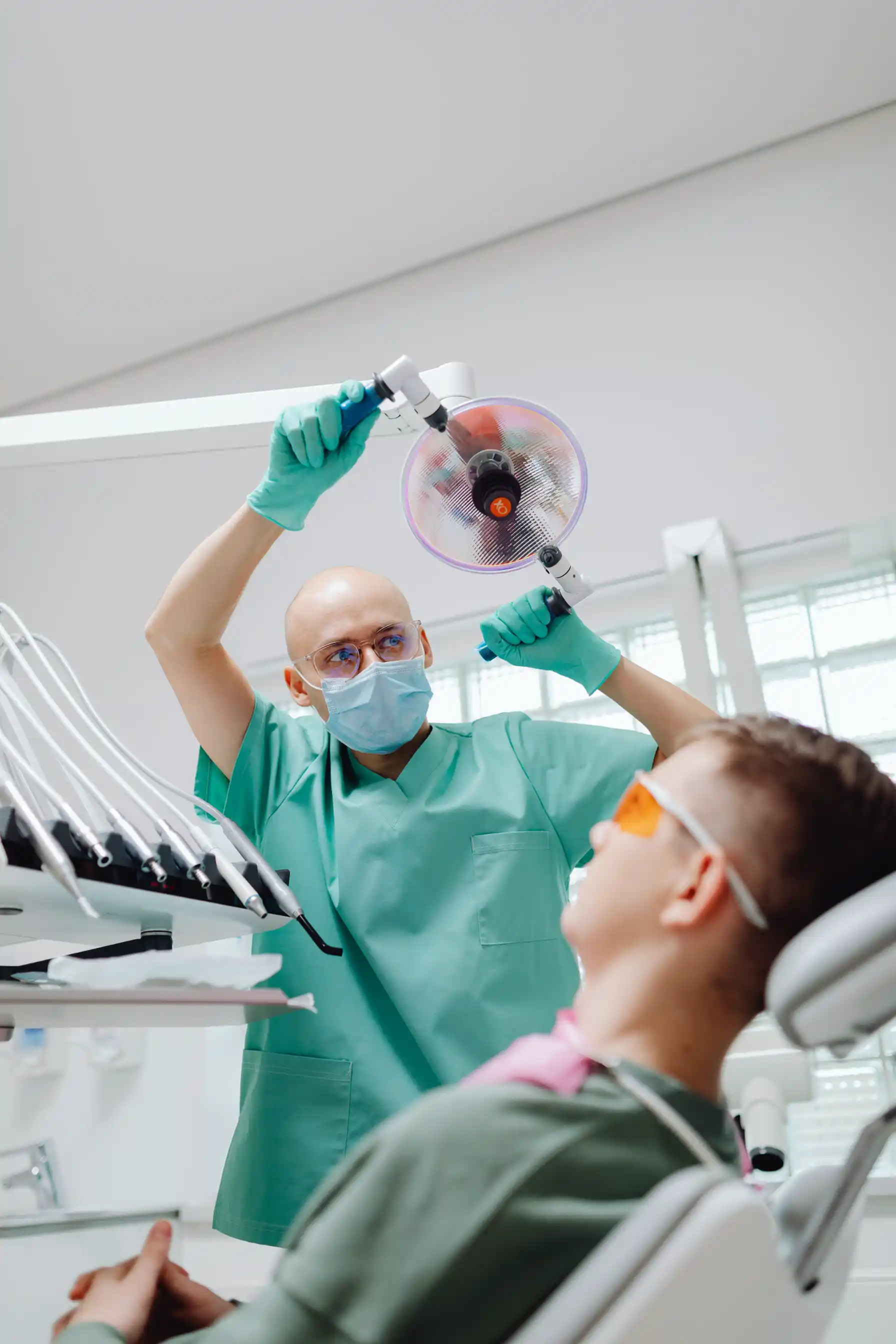
Each step is a place to lose them. A map listing with old hours, a website that hides the phone number below a slider, or a booking form that asks for a plan number before a name will each send people back to the search results.
- Search. They type a service plus "near me" or a neighbourhood. Your Google profile and service pages need the same words.
- Compare. They look at the map, photos, hours and reviews of two or three clinics.
- Check. They open the website to confirm insurance, direct billing, languages, parking and accessibility.
- Contact. They call or book online. If nobody answers, most try the next clinic.
- Attend. A reminder and clear directions protect the first appointment.
Our dental website guide covers what the site must show above the fold, including phone, hours, direct billing and the next available appointment.
How should a clinic set up its Google Business Profile for new patients?
Set up the profile with the clinic's real name, real address, accurate hours and the services patients search for. Google's guidelines for representing your business say the business name must match the real-world name, without added keywords, locations or taglines.
Individual dentists can have their own profiles. Google allows a practitioner in a clinic to have a profile titled with the practitioner's name only, and a solo practitioner at a branded practice to use the format "[brand]: [practitioner name]".
| Profile name | Allowed? | Why |
|---|---|---|
| Maple Grove Dental | Yes | Matches the sign on the door |
| Maple Grove Dental, Emergency Dentist Hamilton | No | Adds keywords and a city to the name |
| Dr. Priya Nair | Yes, as a practitioner profile | Practitioner's name only |
| Maple Grove Dental: Dr. Priya Nair | Yes, if she is the solo practitioner | Brand plus practitioner format |
| Maple Grove Dental, Top Family Dentist | No | Tagline in the name, and a superlative most dental regulators bar |
Should a dental clinic say it accepts CDCP patients?
Yes, if the clinic participates. The Canadian Dental Care Plan created a large group of people looking for a dentist who will see them, and many search for clinics that accept it. Saying so plainly on the website and Google profile answers their first question.
The Government of Canada's CDCP page sets out who qualifies: residents for tax purposes who have no access to private dental insurance, have filed their tax return and have an adjusted family net income under $90,000. Applications for the 2026 to 2027 benefit period are open, so new patients will keep arriving with questions about what is covered.
- Add a short "We accept CDCP" line near the phone number, not buried in a FAQ.
- Explain that some services or fees may cost extra, and that you will confirm before treatment.
- Train the front desk to answer the three common questions: are you accepting, what is covered, what will I pay.
- Read the full playbook on marketing to CDCP patients.
Answer the phone like it is your best ad.
A clinic can pay for the click, win the map listing and still lose the patient to voicemail. Front-desk coverage at peak hours is part of the marketing budget.
How fast should a dental clinic respond to new-patient enquiries?
Respond to web forms and booking requests within the hour during business hours, and answer calls live whenever you can. Research published in Harvard Business Review found that firms contacting online leads within an hour were far more likely to qualify them than firms that waited longer.
That study looked at sales leads in general, not dental patients, but the pattern fits what clinics see: a person who filled in a form at lunch has often booked elsewhere by the evening. A simple routine closes the gap.
- Send an automatic reply with the clinic phone number and a booking link.
- Call back within the hour. If there is no answer, leave a short voicemail and send a text or email if the patient gave consent to be contacted that way.
- Offer two specific appointment times on the call instead of asking when suits them.
- Confirm the plan or insurance, the reason for the visit and how to find the clinic.
- Record the source and outcome so you can see which channels produce attending patients.
How do you track where new dental patients come from?
Track the source of every new patient at booking, then compare channels by patients who attended, not by clicks or calls. A monthly table like the one below is enough for most clinics, and it shows quickly where the budget should move.
| Source | Enquiries | Booked | Attended | Share |
|---|---|---|---|---|
| Google Business Profile (calls and website clicks) | 46 | 30 | 27 | 36% |
| Google Ads | 31 | 19 | 17 | 23% |
| Referral from a patient or family member | 14 | 13 | 12 | 16% |
| Organic search (website) | 15 | 10 | 9 | 12% |
| Neighbourhood mail and other | 12 | 10 | 9 | 12% |
| Total | 118 | 82 | 74 | 100% |
When one channel produces many enquiries but few attended visits, look at who answers those calls and what the ad or page promised. For setting targets, see the dental marketing budget guide.
Frequently asked questions
What is the fastest way for a dental clinic to get new patients?
A complete Google Business Profile plus a small, well-targeted search campaign, with someone answering the phone during peak hours. Those three together usually produce bookings within weeks.
Can a dental clinic offer a free exam to new patients?
Not in Ontario or Nova Scotia, where free services and incentives are barred in advertising. Newfoundland and Labrador bars coupons and time-limited discounts. British Columbia allows some offers if they are not misleading. Check your own regulator.
How many new patients should a dental clinic get each month?
It depends on chair capacity, hygiene schedule and how many patients leave each year. Set the target from capacity and attrition, not from another clinic's number.
Do dental clinics still get patients from referrals?
Yes. Referrals from patients and family members often book and attend at high rates. Make it easy by asking at the right moment, without offering rewards where your regulator bans them.
Should a clinic list CDCP on its website?
If it participates, yes. Many newly eligible people search specifically for clinics that accept CDCP, and saying so answers their first question.
What should a new-patient booking form ask?
Name, phone, email, reason for visit and preferred times. Ask for insurance or plan details on the confirmation call, not in the first form.
How do I know which marketing brings new patients?
Ask every new patient how they heard about you at booking, track calls from ads and the Google profile, and compare channels by patients who attended.
Do new patients book online or call?
Both. Routine checkups book online more often; urgent problems and insurance questions usually come in by phone. Offer both and answer quickly.
Sources & further reading
Regulator rules, platform policies and local data change. These sources let you check the facts on this page, last checked October 5, 2026.