Dental Recall and Patient Retention
Every patient who stays on recall is a patient you do not have to replace with marketing. This page covers recall systems, bringing back lapsed patients, and the privacy and anti-spam rules that shape what you can send.
Why does patient retention matter for dental marketing?
Because every patient who leaves has to be replaced before the practice can grow. A clinic losing many patients a year can spend heavily on new-patient marketing and still stand still. ShoutEx view: most clinics get a faster return from fixing recall than from adding a new channel.
Retained patients also refer family and friends, accept treatment more readily and leave the kind of reviews that help new patients choose you.
| Effort | Typical cost | What it protects |
|---|---|---|
| Pre-booking the next hygiene visit | Front-desk time | The next visit and the treatment found there |
| Reminder routine (email, text, call) | Software plus staff time | Show rate and schedule fill |
| Lapsed-patient outreach | Staff time and postage | Patients drifting away without a reason |
| Post-visit feedback | A short survey | Problems fixed before they become negative reviews |
How should a dental clinic run recall reminders?
Run recall as a fixed routine: pre-book at checkout, confirm a few weeks before, remind a few days before, and follow up the same day on missed visits. Use the channel each patient prefers, and record it in the practice software.
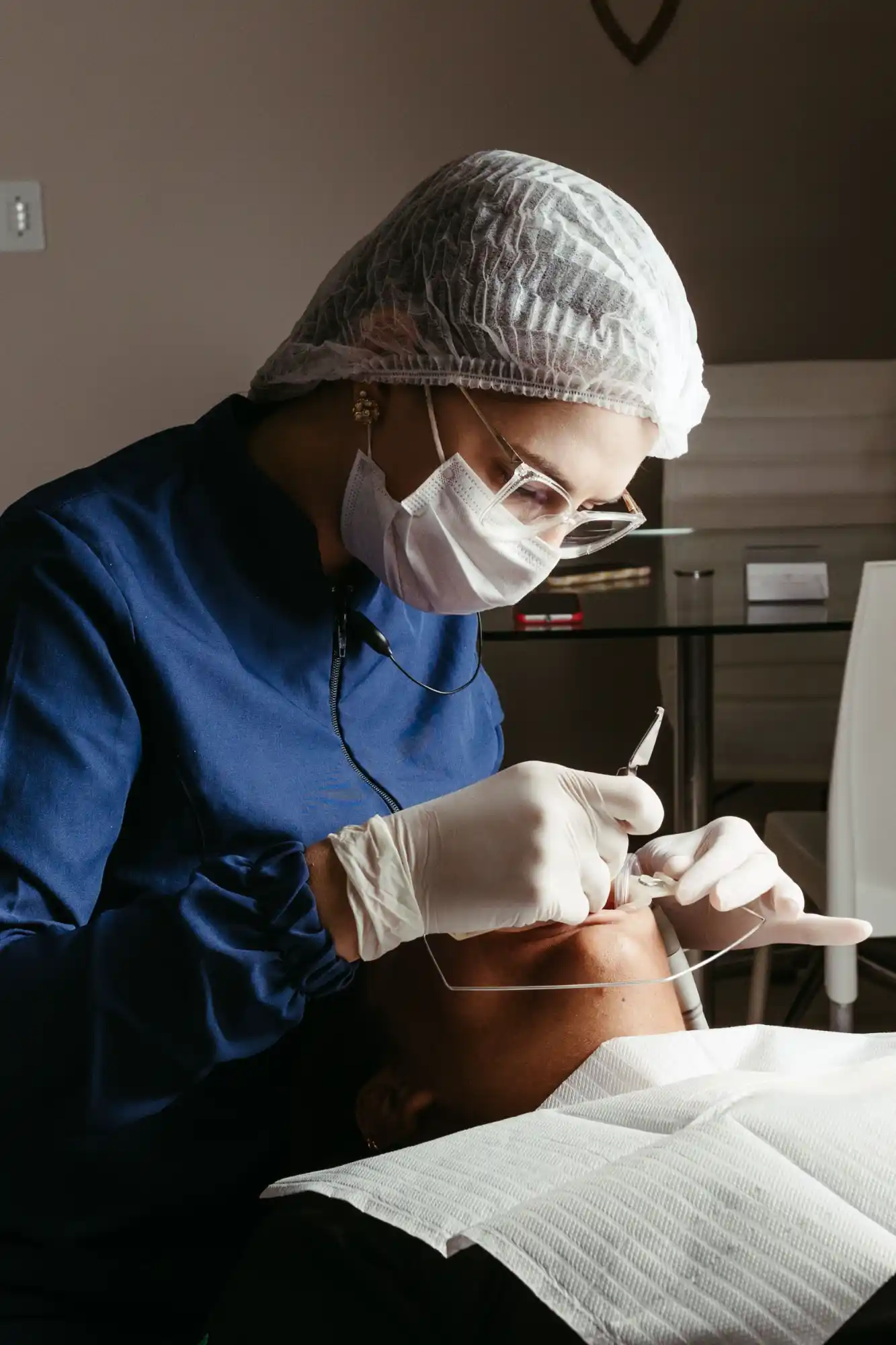
Most of the work is consistency. A routine that runs every week, even when the front desk is busy, does more than an occasional big campaign.
- At checkout: book the next hygiene visit and confirm the contact method.
- Three to four weeks before: send a confirmation with the date and time.
- Two days before: send a reminder with a link or number to change the time.
- Missed visit: call the same day to rebook, then send one follow-up message.
- No booking at checkout: add the patient to a recall list and contact them when due.
- Overdue: move them to the lapsed-patient routine below.
Families need the same routine, combined per household. See family dentistry marketing for household booking.
Do you need consent to send marketing to your own dental patients?
For marketing, generally yes. In Ontario, health care practitioners are health information custodians under PHIPA, and the Information and Privacy Commissioner of Ontario explains that express consent is required to collect, use or disclose personal health information for marketing. Knowing someone is your patient, and when they last visited, is health information.
Outside Ontario, the federal PIPEDA covers private-sector commercial activity, while Ontario, New Brunswick, Nova Scotia and Newfoundland and Labrador have health-information laws deemed substantially similar. Clinics in other provinces should check which law applies to them.
| Message to a patient | Typical purpose | ShoutEx view on consent |
|---|---|---|
| Reminder of a booked appointment | The patient's own care | Part of care; still respect the contact method chosen |
| Recall notice that a checkup is due | The patient's own care | Part of care for most clinics; confirm with your privacy officer |
| Newsletter with clinic news | Relationship and marketing | Get express consent and record it |
| Promotion of a new service (for example aligners) | Marketing | Express consent needed; check advertising rules too |
This is not legal advice. The practical step is simple: ask for express consent for marketing at registration, with an unticked box, and store the date and wording in the patient record.
How does Canada's anti-spam law apply to dental emails and texts?
CASL applies to commercial electronic messages, including email and text. The CRTC's CASL guidance explains that implied consent from an existing business relationship lasts two years after a purchase and six months after an inquiry. After that, the clinic needs express consent for commercial messages.
- Identify the clinic as sender in every message, with contact details.
- Include an easy unsubscribe that works for at least 60 days after sending.
- Process unsubscribe requests within 10 business days.
- Keep records of when and how each person gave consent.
- For mail to non-patients, which avoids using health information, see direct mail for dental clinics.
Recall is care first, marketing second.
Keep reminders about the patient's own care separate from promotional content. Mixing them makes consent harder and trust weaker.
How can a dental clinic bring back lapsed patients?
Contact them in a short, respectful sequence that makes rebooking easy and does not pressure. Some have moved or changed dentists; others simply lost track. Ask, offer a time, and stop after a few attempts.
| Step | Timing | Channel | Message |
|---|---|---|---|
| 1 | Week 1 | Email or text (with consent) | "It has been a while since your last checkup. Here are three times this month." |
| 2 | Week 3 | Phone call | Ask if they still want to be seen here; offer a time |
| 3 | Week 6 | Letter | Short note with the booking number and hours |
| 4 | Week 10 | Update the record | Mark as moved, transferred or inactive; stop outreach |
Use the outcomes. If many lapsed patients cite cost, hours or a bad experience, that is a service fix, not a marketing one. Replacement still matters; see how to get new patients.
Which retention numbers should a dental clinic track?
Track a few numbers monthly: the share of hygiene patients leaving with a booked next visit, the show rate, the number of active patients and how many lapsed patients rebook. Together they show whether the patient base is growing or leaking.
| Number | How to calculate | What it tells you |
|---|---|---|
| Pre-booking rate | Next visit booked at checkout ÷ hygiene visits | How well recall starts |
| Show rate | Attended ÷ booked appointments | Reminder quality and patient commitment |
| Active patients | Patients seen in the last 18 months (pick a fixed window) | Size of the base you serve |
| Lapsed rebooking | Lapsed patients rebooked ÷ contacted | Whether outreach works |
| Retention years | Average years patients stay | Input for the ROI calculator |
Put the retention years into the calculator on the dental marketing budget page. A longer average stay changes how much a new patient is worth.
Frequently asked questions
What is a good dental recall system?
Pre-book the next visit at checkout, confirm a few weeks before, remind two days before and call the same day about missed visits.
Do I need consent to send recall reminders?
Reminders about a patient's own care are usually treated as part of care, but confirm with your privacy officer. Marketing messages need express consent.
Can I email past patients about a new service?
Only with consent. In Ontario, using health information for marketing needs express consent, and CASL also applies to commercial email.
How long does implied consent last under CASL?
Two years after a purchase and six months after an inquiry.
How quickly must I process an unsubscribe?
Within 10 business days, and the unsubscribe must work for at least 60 days after the message was sent.
Which privacy law applies to my dental clinic?
In Ontario, PHIPA. Federal PIPEDA covers private-sector commercial activity, and New Brunswick, Nova Scotia and Newfoundland and Labrador also have health-information laws deemed substantially similar.
How do I bring back patients who stopped coming?
A short sequence of a message, a call and a letter with clear booking options, then update the record and stop.
What retention numbers should I track?
Pre-booking rate, show rate, active patients, lapsed rebooking and average years patients stay.
Sources & further reading
Regulator rules, platform policies and local data change. These sources let you check the facts on this page, last checked October 5, 2026.